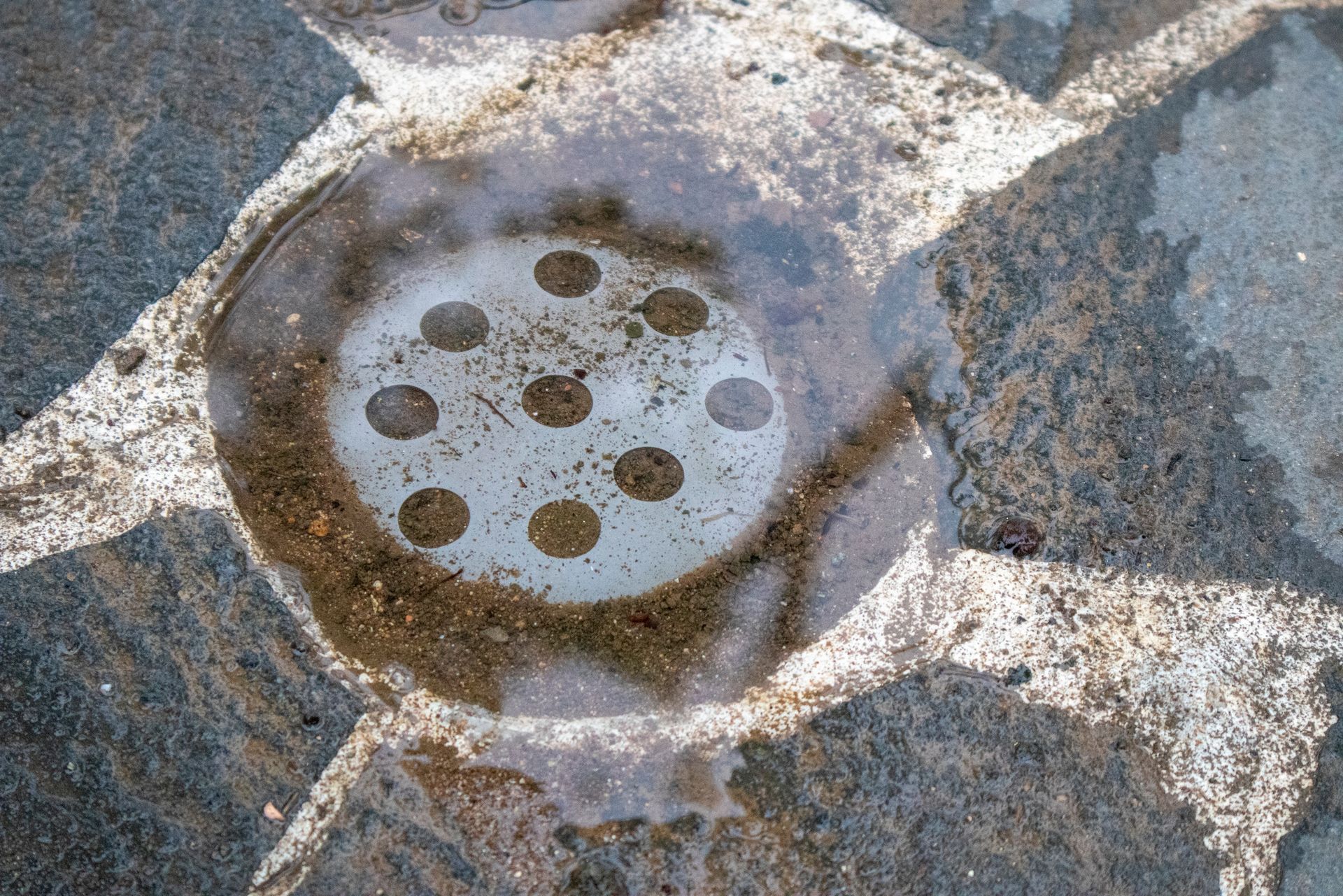
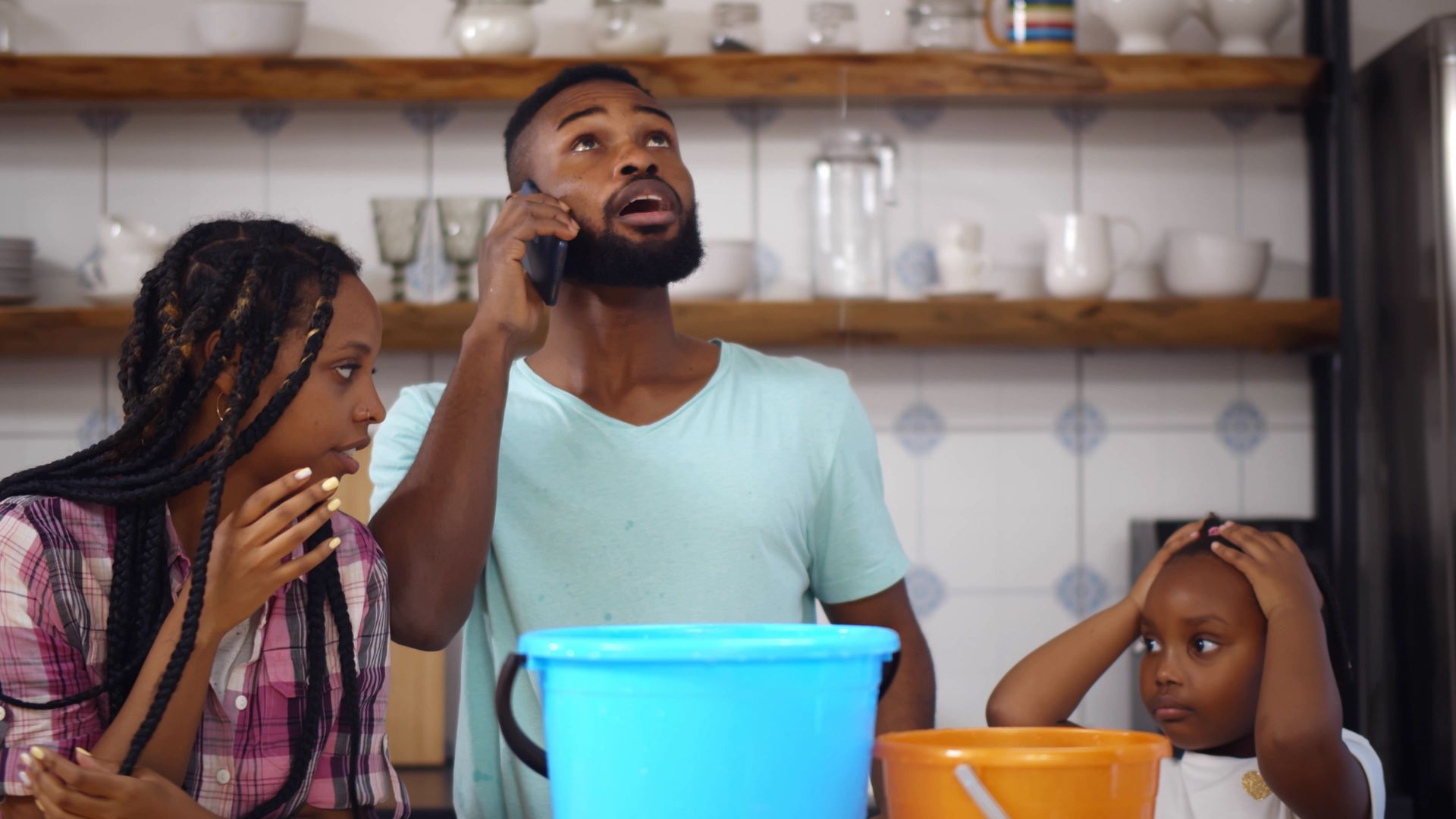
We get a lot of calls that are right ‘in the moment’, as in you walked down into your basement, you are hit with a putrid smell and you see dark, murky ooze bubbling up from your floor drain. Or worse, you walk into the bathroom in the finished portion of your home and your toilet is overflowing… and not because you flushed it. Well, we’re here to tell you to take a deep breath (perhaps not in your basement!), grab a clothespin for your nose, and we’ll tackle this together. The most important thing right now is knowing what to do (and what NOT to do) in the next few minutes.
First thing is Absolutely First: Call a Drain Company
If you’re dealing with a sewage issue, you need to figure out what is causing the issue before we can come clean it up. Quite obviously, you don’t want this happening again! So, you need to figure out the source by having a drain company come take a look. Did tree roots grow through the pipes? Are your flushable wipes not truly flushable?! (this is a common issue!) We have a few drain companies in Greater Boston that do great work, so always feel free to
give us a call if you need a recommendation.
So... How Dangerous Is It Really?
If we’re being honest, we don’t want to sugarcoat it. While we know you’re looking for that article that tells you it’s really not that bad, that just isn’t the case. It’s pretty dangerous. We are telling you so that you take it seriously, because you need to! Sewage isn't just dirty water. It contains bacteria, viruses, and parasites that can make people, children, and pets very sick. The CDC lists E. coli, Hepatitis A, Salmonella, and Norovirus among the health risks associated with sewage exposure. Even just touching it - or simply breathing in the air around it - can put you and your family at risk.
Kids, elderly family members, and anyone with a weakened immune system are especially vulnerable. So please, keep everyone away from the affected area until it's been properly cleaned up, and we don’t mean by just grabbing your mop.
Should You Stay or Leave?
It depends on how bad it is. If the backup is small - say, just one floor drain - and you can completely avoid that area by closing it off from the rest of the house, you may be okay to stay. If sewage has spread across your basement, multiple rooms, or you can smell it throughout the house, you need to stay somewhere else until a professional has taken care of it. Either way, first thing’s first: stop using all water in the house right now. No toilets, no sinks, no dishwasher. Using your plumbing can potentially push even more sewage into your home.
Here's Our Quick List of What to Do First
1. Stop all water use immediately. No flushing, no running faucets, no laundry. You need to stop using everything until the problem is fixed.
2. Keep people and pets away from the area. Block it off however you can. This stuff is not something you want anyone wandering into. If you can smell sewage throughout your home, you should not stay in the home.
3. Don't try to clean it up yourself. We know it's tempting to just grab some gloves and get to work - but regular cleaning supplies aren't enough to disinfect sewage contamination. You need professional equipment, disinfectants, and training for this one.
4. Open some windows if you can. Sewage can release harmful gases in enclosed spaces. A little fresh air helps while you wait for help to arrive.
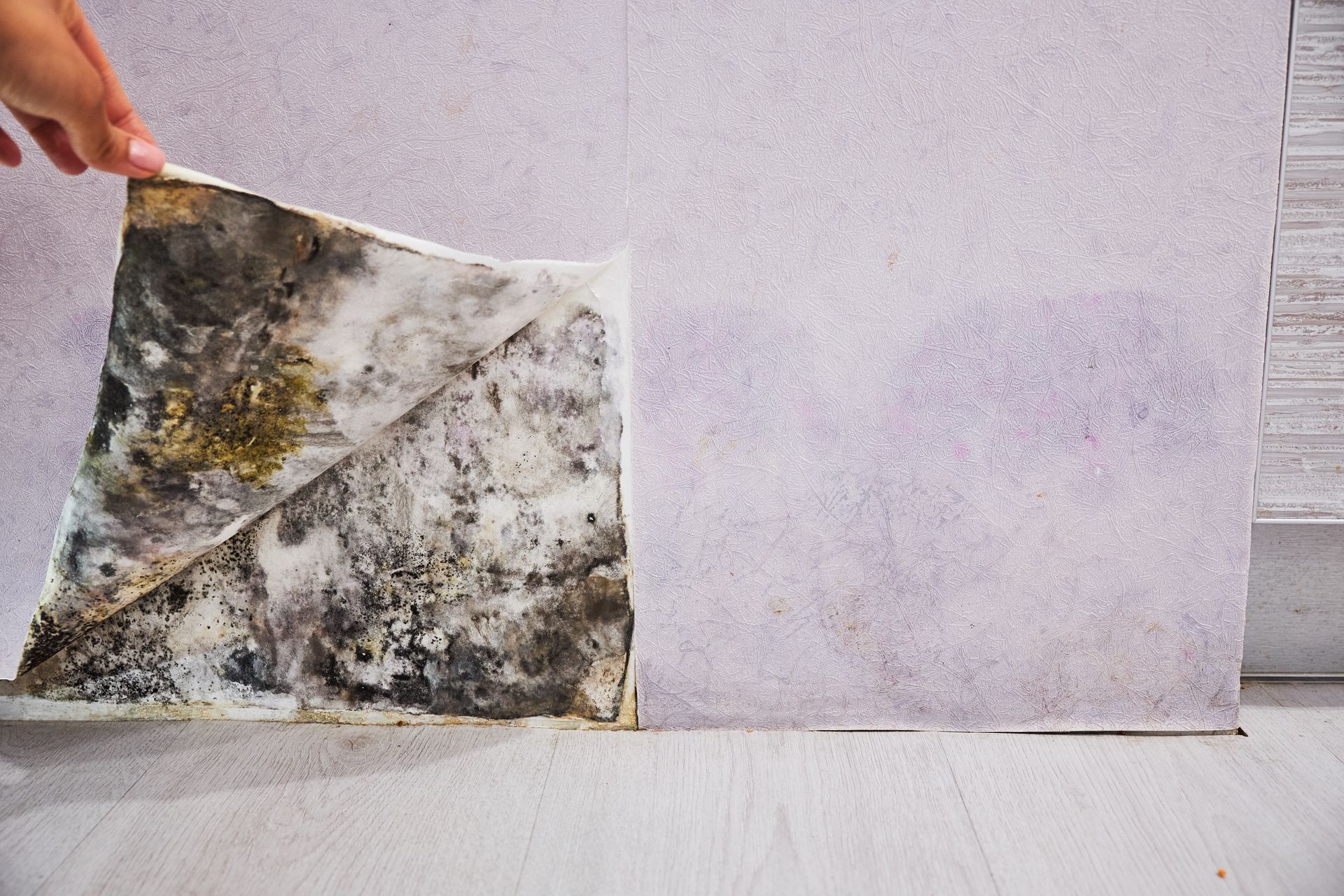
5. Call a remediation professional right away. The sooner the better. Sewage damage spreads fast - and to make matters worse, mold can start developing in as little as 24 to 48 hours. Quick action saves a lot of headache (and money) down the road, and you can start getting the area cleaned and dried out right away.
6. Call your insurance company. Coverage for sewage backups varies, so make sure to check your policy. Take photos of everything before any cleanup begins to document the damage to your home and belongings - your insurance company will want documentation. Not sure what to document?
Give us a call - We’re happy to walk you through it!
Why Did This Happen?
Good question - and worth knowing so you can prevent it in the future. The most common causes of sewage backups include:
- Tree roots growing into sewer lines
- Buildup from pouring grease down the drain, using flushable wipes (they aren’t actually flushable), or other debris clogging the main line
- Heavy rainfall overwhelming the sewer system (a real potential issue here in Quincy and along the South Shore during storm season)
- Older or damaged pipes that have cracked or collapsed over time
If your home is older or you've had slow drains for a while, it may be worth having your sewer line inspected once things are back to normal to see if you might be able to take a more proactive approach towards preventing sewage backups in the future!
The Bottom Line
A sewage backup is one of those emergencies where waiting just makes everything worse. The faster you act, the less damage there is - to your home and to your family's health.
Atlantic Water Remediation is available 24/7 for sewage emergencies throughout the Greater Boston area and South Shore. We'll get to you fast, handle the cleanup safely and thoroughly, and help you get your home back to normal as quickly as possible.
Having a sewage emergency right now?
Call us — we're here for you when you need it most!